
New sources added on the U.S. Civil War and U.S. Colored Troops
Free to Read and Free to Download: Primary Sources on the U.S. Colored Troops during the U.S. Civil War!
In recent news, it has become clear that certain books are now banned. This has been reported in several news outlets and blogs online, such as the Washington Post in an article titled Park gift shops could remove books on slavery and the Civil War and the NY Post in the article Redwood National Park flags nine books to ban under Trump directive. It is also reported on SFGate in an article titled Trump admin to ban book from Yosemite National Park, says author. Blogs also picked up on the topic, like The Reconstruction Era in Interior Department Looking to Ban Historical Books from National Park Service Bookstores.
The banned books focus on slavery and the U.S. Civil War. My work focuses on World War II and the experiences of Black Americans during that conflict: the Tuskegee Airmen, the 614th Tank Destroyer Battalion or the 452nd Anti-Aircraft Artillery Battalion. But the Civil War generation is essential to understand Black American history. The men who fought in the USCT, the women who supported them, and the writers who recorded their stories, they are the reason there is a story to tell about Black soldiers in the Second World War at all.
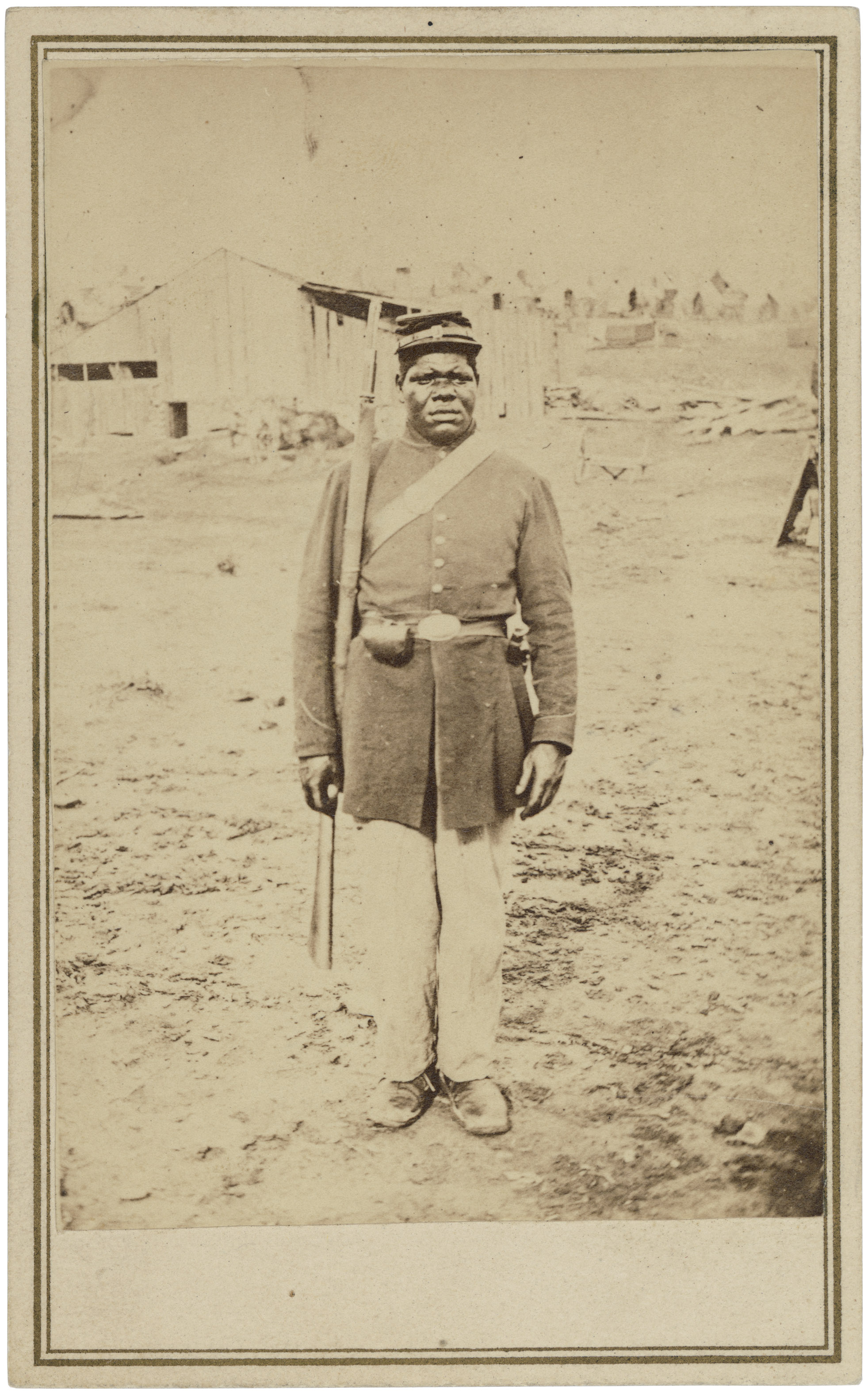
So I did something practical. I've added several public domain books to the Sources page of this website. Every book can be downloaded as a PDF for free, directly from the page. I don't charge any money for it. They fall into two categories: memoirs and histories written by Black Americans during or shortly after the Civil War, and firsthand accounts by white officers who served in Black regiments. These are not obscure academic texts. They are primary sources written by people who were there. The public domain exists precisely so that no one can control who reads these books. The public domain exists precisely so that no one can control who reads these books.
Among them:
Susie King Taylor, who served with the 33rd United States Colored Infantry and published her memoir in 1902. It is the only known account of the war written by a Black woman who lived it.
Elijah P. Marrs, born into slavery in Kentucky, who enlisted in the 12th U.S. Heavy Artillery (Colored) and later wrote about his journey from slavery to freedom.
Peter Bruner, also formerly enslaved, who served in the USCT and left behind one of the more personal soldier memoirs of the era.
Thomas Wentworth Higginson, colonel of the 1st South Carolina Volunteers. It is the first enslaved regiment officially mustered into U.S. service and whose Army Life in a Black Regiment is one of the great eyewitness accounts of the war.
Luis F. Emilio, a captain in the 54th Massachusetts Infantry, whose meticulous regimental history documents the regiment from its first recruits through the assault on Fort Wagner and beyond.
Why this matters
The argument for removing these books from National Park bookstores, to the extent that there is an argument, is that they are divisive, or that they present a one-sided view of history. I'd suggest the opposite is true. A soldier writing about his own service during the U.S. Civil War is not divisive. It's essential for understanding history and the full context of the conflict. A woman recording what she saw and did in camp is not propaganda, but a wtiness giving testimony to her experiences. These books are evidence and records of people whose service was doubted at the time and whose memory has been contested ever since.
History does not become less true because it is inconvenient. If you find them useful — for research, teaching, or simply reading — I'd love to hear about it. If you have recommendations for books I should upload, send me a message! You can find my contact details here.
About the author
Samuel de Korte is a historian specializing in Black American soldiers during World War II. He has written books on the 614th Tank Destroyer Battalion, the 452nd Anti-Aircraft Artillery Battalion, and the Tuskegee Airmen. His work focuses on Black soldiers, segregation, memory, and the way World War II is remembered. Learn more about Samuel de Korte.